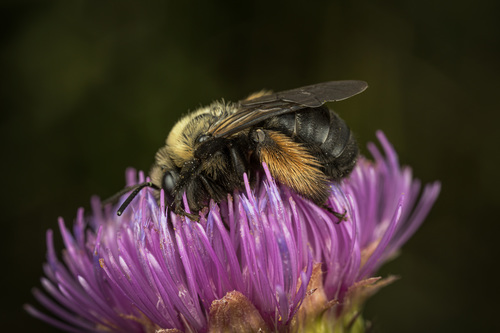
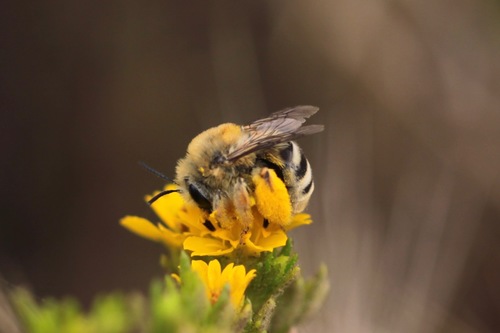
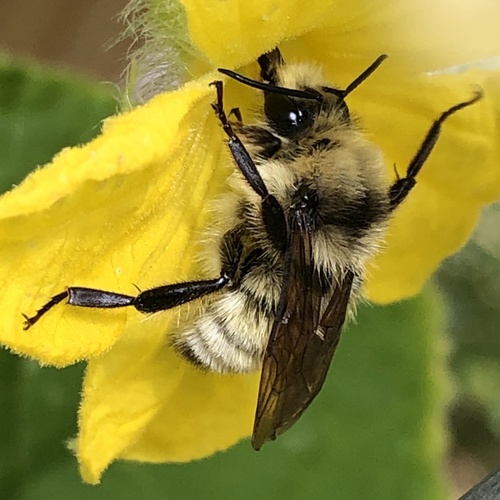
How to Identify Apidae — Bee Family

Apidae (Bee Family) is a animal family in the Animalia kingdom, order Hymenoptera, class Insecta. The family contains 394 accepted species worldwide.

Key Identification Features

For instant identification in the field, use the iNature app — AI-powered, works offline.
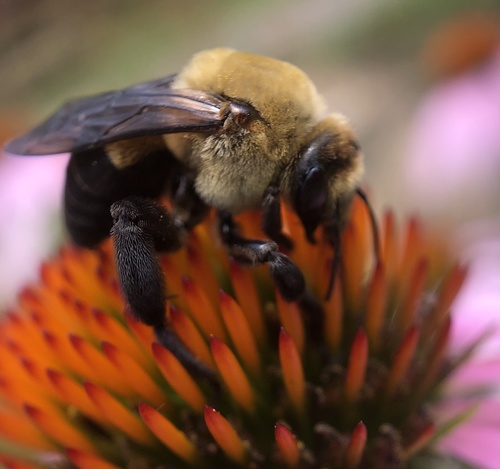
Representative Apidae Species

How to identify Ptilothrix bombiformis (Cresson, 1879)

Ptilothrix bombiformis (Cresson, 1879)

Ptilothrix bombiformis (Cresson, 1879)

Ptilothrix bombiformis, the hibiscus bee, is a bumblebee-shaped bee specialized …

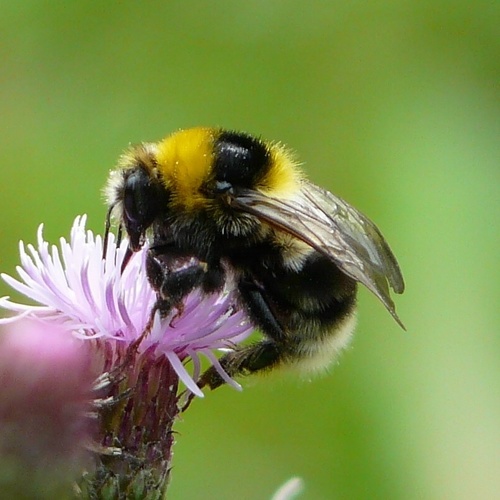
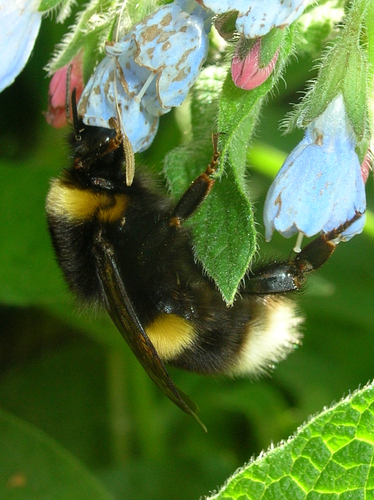
How to identify Bombus argillaceus (Scopoli, 1763)

Bombus argillaceus (Scopoli, 1763)

Bombus argillaceus (Scopoli, 1763)

Bombus argillaceus is a large bumblebee found from southern Europe to central As…

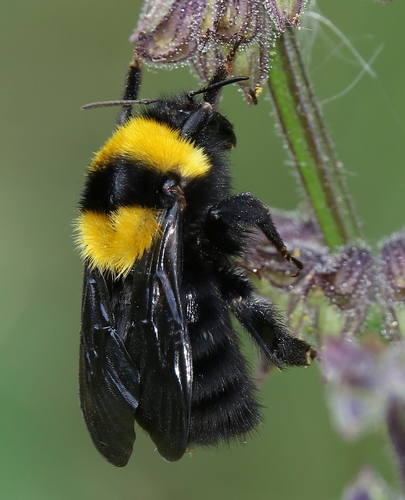
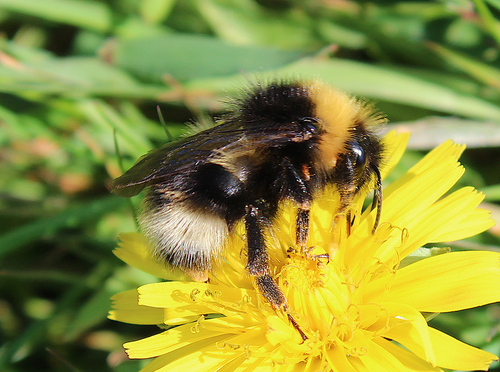
How to identify Bombus barbutellus (Kirby, 1802)

Bombus barbutellus (Kirby, 1802)

Bombus barbutellus (Kirby, 1802)

Bombus barbutellus is a cuckoo bumblebee found across most of Europe that usurps…

How to identify Bombus campestris (Panzer, 1801)

Bombus campestris (Panzer, 1801)

Bombus campestris (Panzer, 1801)

Bombus campestris is a medium-sized variable-banded bumblebee native to most of …

How to identify Bombus semenoviellus Skorikov, 1910

Bombus semenoviellus Skorikov, 1910

Bombus semenoviellus Skorikov, 1910

Bombus semenoviellus is a European bumblebee species expanding westward, living …

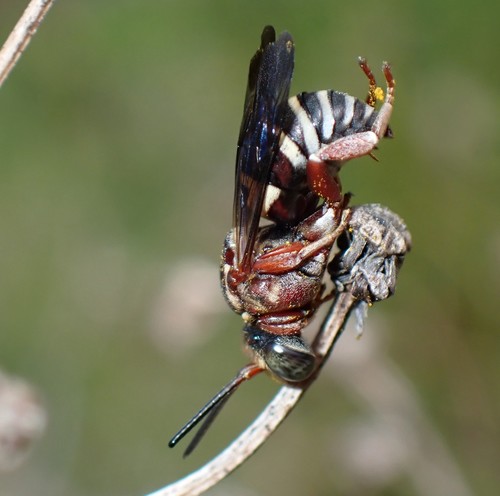
How to identify Triepeolus rufithorax Graenicher, 1928

Triepeolus rufithorax Graenicher, 1928

Triepeolus rufithorax Graenicher, 1928

Triepeolus rufithorax is a cuckoo bee species in the Apidae family found in Nort…

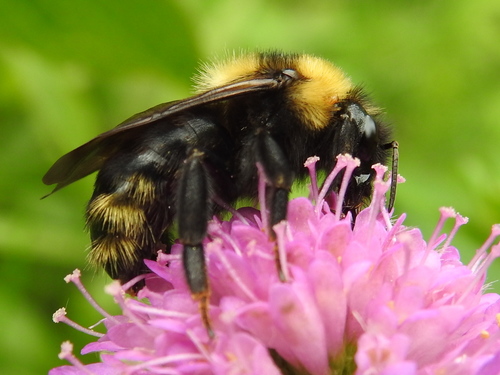
How to identify Bombus cryptarum (Fabricius, 1775)

Bombus cryptarum (Fabricius, 1775)

Bombus cryptarum (Fabricius, 1775)

Bombus cryptarum, the cryptic bumblebee, is a widespread Northern Hemisphere bum…

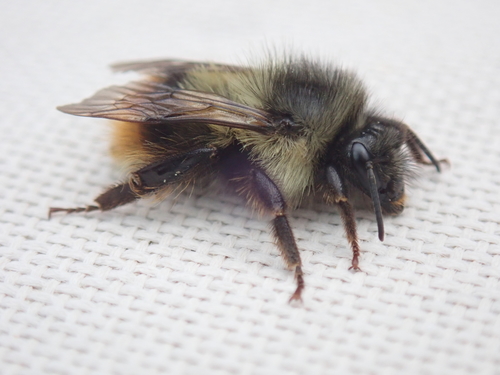
How to identify Bombus mixtus Cresson, 1879

Bombus mixtus Cresson, 1879

Bombus mixtus Cresson, 1879

Bombus mixtus is a North American bumblebee that lives in multiple open and nort…

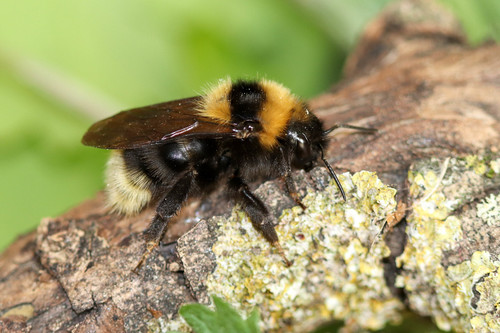
How to identify Bombus sylvestris (Lepeletier, 1832)

Bombus sylvestris (Lepeletier, 1832)

Bombus sylvestris (Lepeletier, 1832)

Bombus sylvestris, the forest cuckoo bumblebee, is a small European bumblebee sp…

How to identify Melissodes desponsus Smith, 1854

Melissodes desponsus Smith, 1854

Melissodes desponsus Smith, 1854

Melissodes desponsus is a solitary ground-nesting bee species that uses Cirsium …

How to identify Tetraloniella pomonae (Cockerell, 1915)

Tetraloniella pomonae (Cockerell, 1915)

Tetraloniella pomonae (Cockerell, 1915)

Tetraloniella pomonae is a long-horned bee species in the Apidae family, found i…

How to identify Bombus vandykei (Frison, 1927)

Bombus vandykei (Frison, 1927)

Bombus vandykei (Frison, 1927)

Van Dyke's bumblebee (Bombus vandykei) is a stable North American bumblebee spec…

Browse all 394 Apidae species →

Frequently Asked Questions

How do you identify Apidae?

Apidae animals belong to the Hymenoptera order in the Animalia kingdom. 5 mm in length, and have distinctive orange scopae on their hind legs, though these scopae are often covered in white Cirsium pollen. For instant identification, use the iNature app — AI-powered and works offline.

What are the key characteristics of Apidae?

Apidae is classified in the order Hymenoptera, class Insecta, phylum Arthropoda. The family contains 394 accepted species worldwide.

Sources: GBIF, iNaturalist, Wikipedia · Disclaimer

Start Exploring Nature Today

Download iNature for free. 10 identifications on us. No account needed. No credit card required.

Download Free on App Store