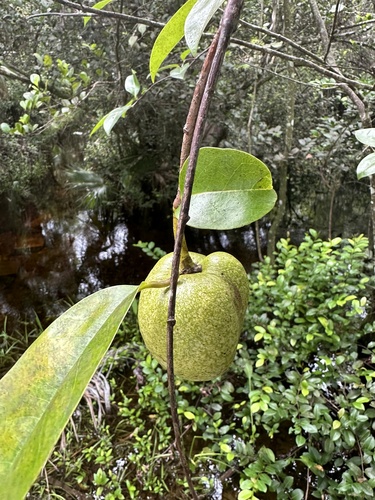
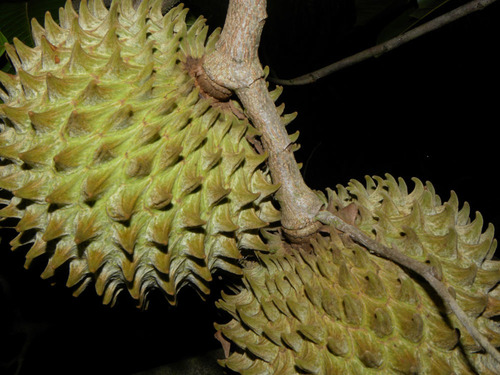
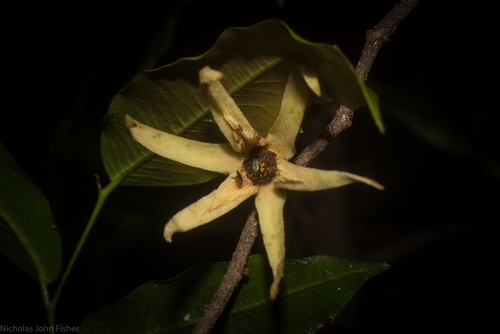
How to Identify Annonaceae

Annonaceae is a plant family in the Plantae kingdom, order Magnoliales, class Magnoliopsida. The family contains 38 accepted species worldwide. Some species in this family are toxic — exercise caution when handling unknown specimens.

Key Identification Features

For instant identification in the field, use the iNature app — AI-powered, works offline.
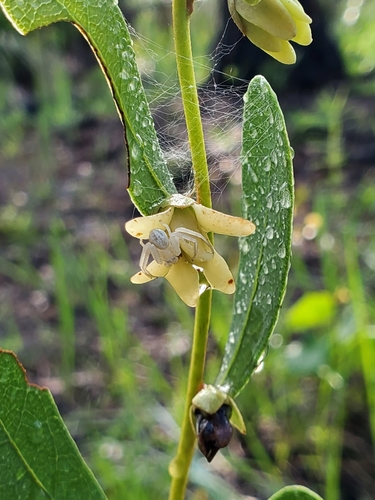
Representative Annonaceae Species

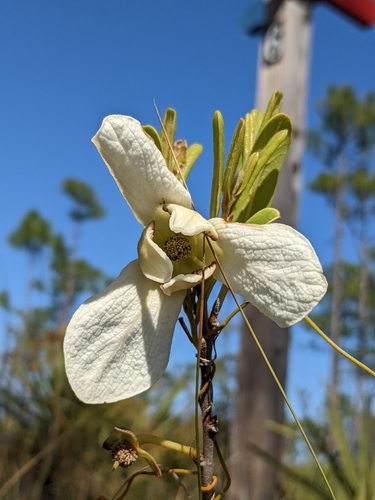
How to identify Deeringothamnus rugelii (B.L.Rob.) Small

Deeringothamnus rugelii (B.L.Rob.) Small

Deeringothamnus rugelii (B.L.Rob.) Small

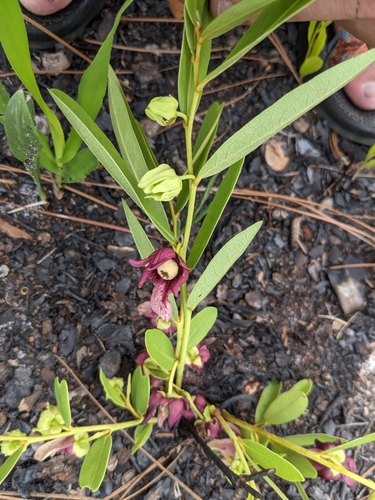
Asimina rugelii, or Rugel's pawpaw, is a rare endangered shrub endemic only to V…

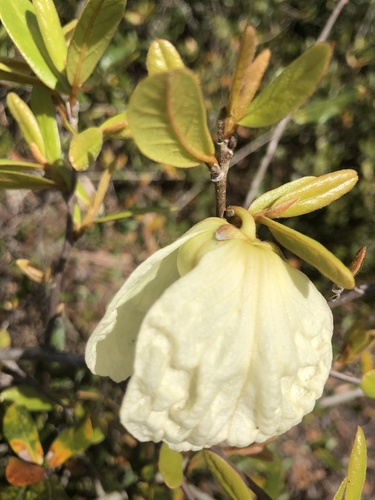
How to identify Asimina reticulata Shuttlew. ex Chapm.

Asimina reticulata Shuttlew. ex Chapm.

Asimina reticulata Shuttlew. ex Chapm.

Asimina reticulata is a small shrub with distinct colored bark and flowers, foun…

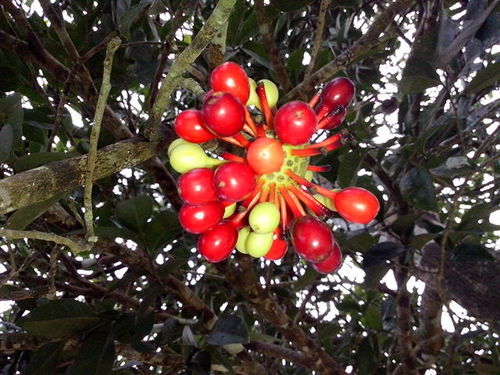
How to identify Uvaria grandiflora Roxb. ex Hornem.

Uvaria grandiflora Roxb. ex Hornem.

Uvaria grandiflora Roxb. ex Hornem.

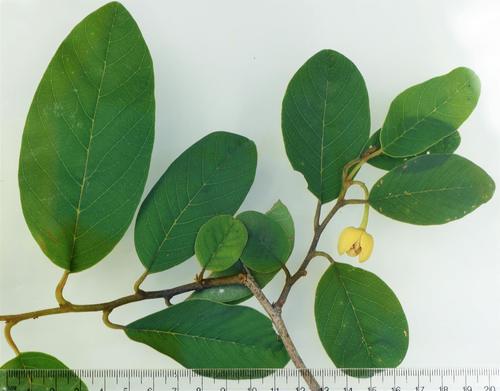
Uvaria grandiflora is an Annonaceae plant species native to parts of East Asia, …

How to identify Asimina obovata (Willd.) Nash

Asimina obovata (Willd.) Nash

Asimina obovata (Willd.) Nash

Asimina obovata is a shrub or tree species with alternately arranged pinnate-vei…

How to identify Mosannona depressa (Baill.) Chatrou

Mosannona depressa (Baill.) Chatrou

Mosannona depressa (Baill.) Chatrou

Mosannona depressa is a 6-10m tall tree with various traditional and potential m…

How to identify Annona cherimola Mill.

Annona cherimola Mill.

Annona cherimola Mill.

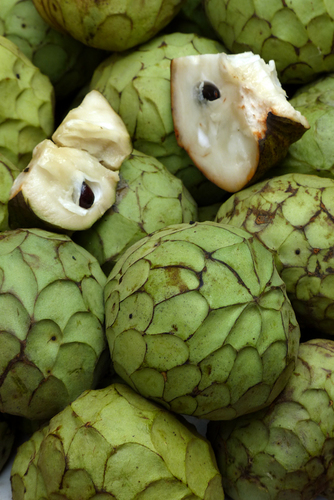
Annona cherimola Mill. is a fruit-producing woody tree or shrub native to the Am…

How to identify Annona senegalensis Pers.

Annona senegalensis Pers.

Annona senegalensis Pers.

Annona senegalensis Pers. is an African shrub or small tree used widely for food…

How to identify Asimina pygmaea (W.Bartram) Dunal

Asimina pygmaea (W.Bartram) Dunal

Asimina pygmaea (W.Bartram) Dunal

Asimina pygmaea is a small North American shrub with scented brown-crimson flowe…

How to identify Hubera nitidissima (Dunal) Chaowasku

Hubera nitidissima (Dunal) Chaowasku

Hubera nitidissima (Dunal) Chaowasku

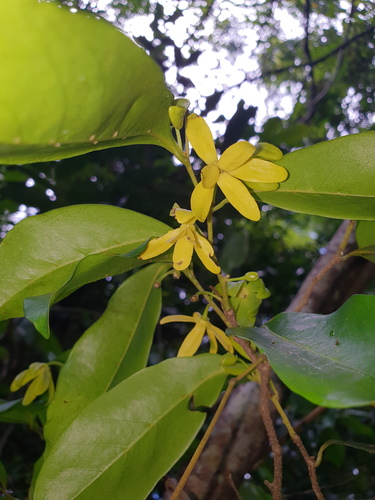
Hubera nitidissima is a small understorey tree or shrub native to parts of Austr…

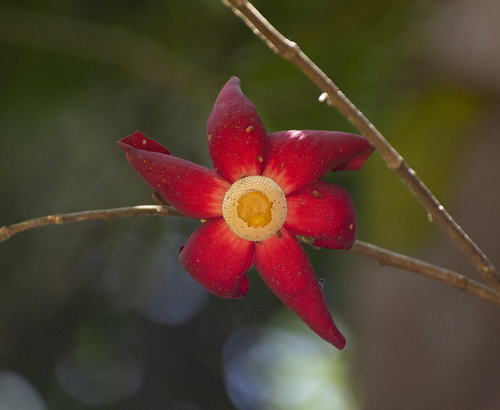
How to identify Annona glabra L.

Annona glabra L.

Annona glabra L.

Annona glabra L. is a flood-tolerant wetland tree with edible fruit that has pot…

How to identify Annona purpurea Moç. & Sessé ex Dunal

Annona purpurea Moç. & Sessé ex Dunal

Annona purpurea Moç. & Sessé ex Dunal

Annona purpurea is a small obscure deciduous tree related to other Annona specie…

How to identify Meiogyne stenopetala (F.Muell.) Heusden

Meiogyne stenopetala (F.Muell.) Heusden

Meiogyne stenopetala (F.Muell.) Heusden

Meiogyne stenopetala is an Annonaceae custard apple family plant that grows as a…

Browse all 38 Annonaceae species →

Frequently Asked Questions

How do you identify Annonaceae?

Annonaceae plants belong to the Magnoliales order in the Plantae kingdom. Its leaves are alternately arranged and feature pinnate venation. For instant identification, use the iNature app — AI-powered and works offline.

What are the key characteristics of Annonaceae?

Annonaceae is classified in the order Magnoliales, class Magnoliopsida, phylum Tracheophyta. glabra leaves have a distinct smell similar to green apples, which distinguishes this species from mangroves.

⚠️ Are any Annonaceae species poisonous?

Yes, some Annonaceae species are toxic or poisonous. Always exercise caution with unknown specimens. View poisonous Annonaceae species or browse the full poisonous species guide.

Sources: GBIF, iNaturalist, Wikipedia · Disclaimer

Start Exploring Nature Today

Download iNature for free. 10 identifications on us. No account needed. No credit card required.

Download Free on App Store