How to Identify Anacardiaceae
Anacardiaceae is a plant family in the Plantae kingdom, order Sapindales, class Magnoliopsida. The family contains 132 accepted species worldwide. Some species in this family are toxic — exercise caution when handling unknown specimens.
Representative Anacardiaceae Species
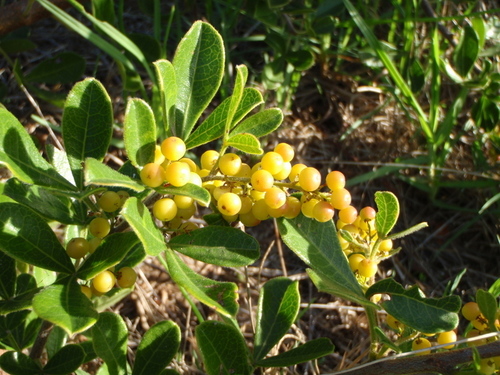
Searsia laevigata (L.) F.A.Barkley
Searsia laevigata (L.) F.A.Barkley
Searsia laevigata is a South African plant that occurs in primarily coastal habi…
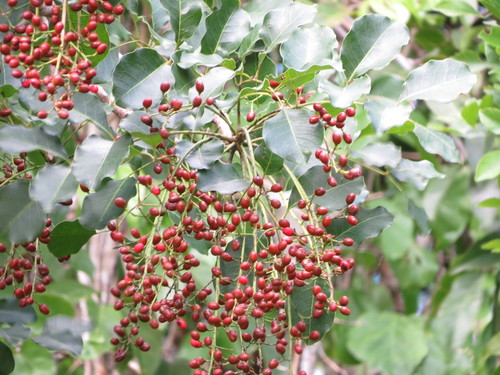
Metopium brownei (Jacq.) Urb.
Metopium brownei (Jacq.) Urb.
Metopium brownei is a urushiol-producing tree valued for lumber, found across pa…
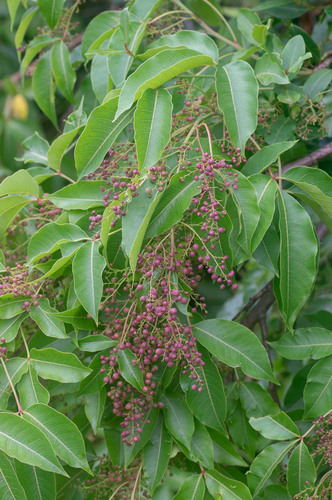
Searsia chirindensis (Baker fil.) Moffett
Searsia chirindensis (Baker fil.) Moffett
Searsia chirindensis is a Southern African dioecious tree with bark extracts tha…
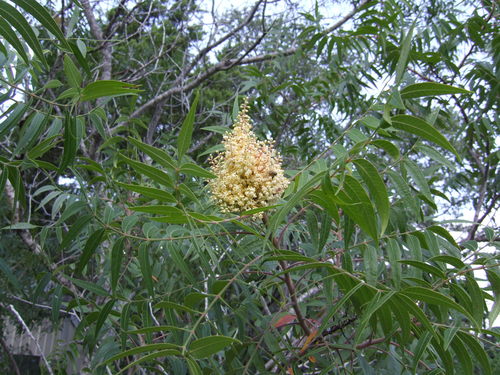
Rhus lanceolata (A.Gray) Britton
Rhus lanceolata (A.Gray) Britton
Rhus lanceolata, or prairie sumac, is a shrub or small tree native to the southw…
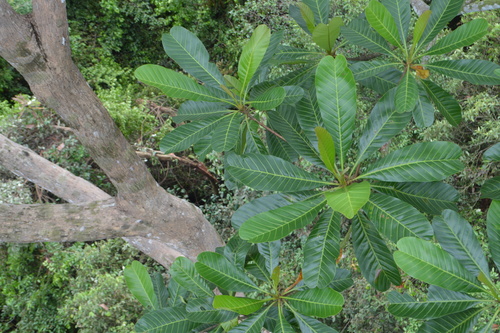
Campnosperma auriculatum (Blume) Hook.fil.
Campnosperma auriculatum (Blume) Hook.fil.
Campnosperma auriculatum is an Anacardiaceae rainforest tree native to the East …
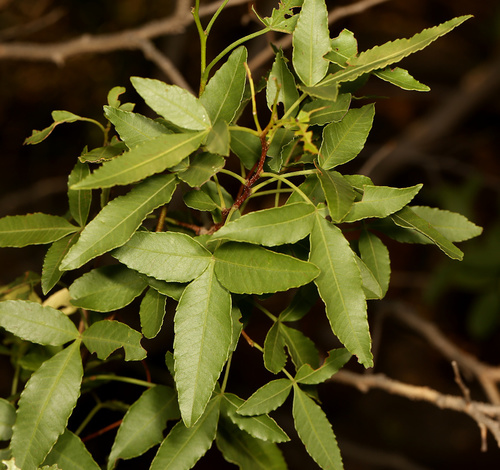
Searsia leptodictya (Diels) T.S.Yi, A.J.Mill. & J.Wen
Searsia leptodictya (Diels) T.S.Yi, A.J.Mill. & J.Wen
Searsia leptodictya (mountain karee) is a small hardy evergreen tree valued for …
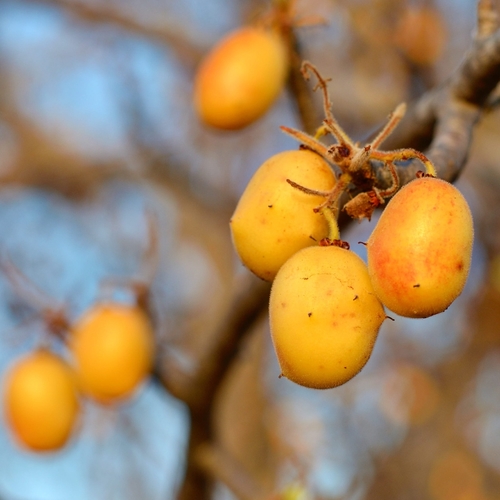
Cyrtocarpa edulis (Brandegee) Standl.
Cyrtocarpa edulis (Brandegee) Standl.
Cyrtocarpa edulis is a succulent tree or shrub native to Baja California Sur wit…
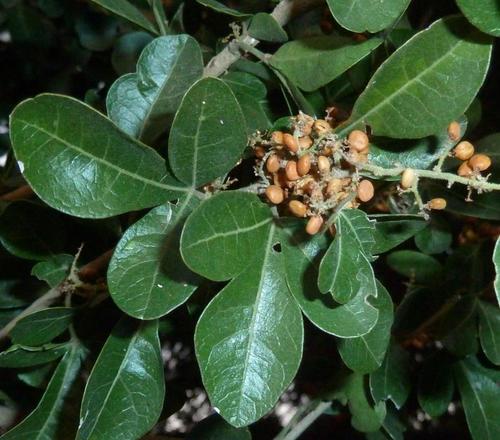
Searsia pentheri (Zahlbr.) Moffett
Searsia pentheri (Zahlbr.) Moffett
Searsia pentheri is a frost-hardy evergreen tree native to large parts of South …
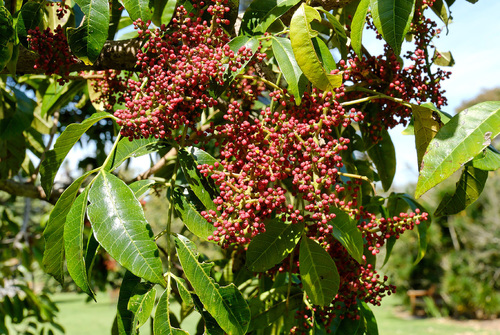
Rhodosphaera rhodanthema (F.Muell.) Engl.
Rhodosphaera rhodanthema (F.Muell.) Engl.
Rhodosphaera rhodanthema is a medium-sized Australian tree valued for its timber…
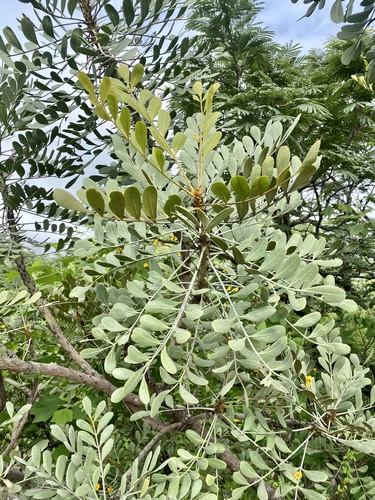
Pseudosmodingium virletii (Baill.) Engl.
Pseudosmodingium virletii (Baill.) Engl.
Pseudosmodingium virletii is a shrubby flowering plant in the Anacardiaceae fami…
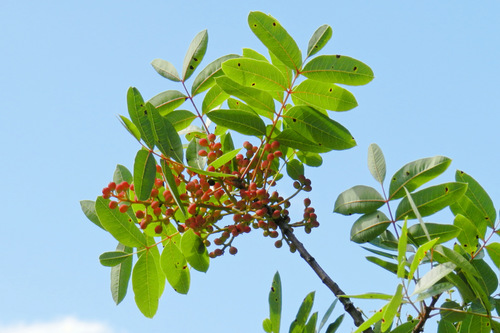
Pistacia terebinthus L.
Pistacia terebinthus L.
Pistacia terebinthus L., the terebinth, is a small dioecious Anacardiaceae tree/…
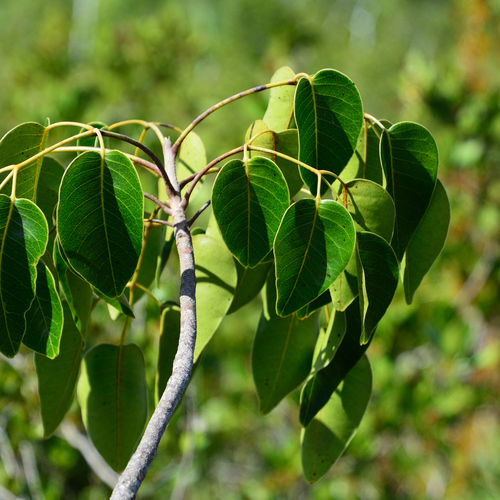
Metopium toxiferum (L.) Krug & Urb.
Metopium toxiferum (L.) Krug & Urb.
Metopium toxiferum, the irritant urushiol-producing poisonwood, is a Neotropical…
Frequently Asked Questions
How do you identify Anacardiaceae?
Anacardiaceae plants belong to the Sapindales order in the Plantae kingdom. Browse the 132 species gallery above for visual identification references. For instant identification, use the iNature app — AI-powered and works offline.
What are the key characteristics of Anacardiaceae?
Anacardiaceae is classified in the order Sapindales, class Magnoliopsida, phylum Tracheophyta. The family contains 132 accepted species worldwide.
⚠️ Are any Anacardiaceae species poisonous?
Yes, some Anacardiaceae species are toxic or poisonous. Always exercise caution with unknown specimens. View poisonous Anacardiaceae species or browse the full poisonous species guide.
Sources: GBIF, iNaturalist, Wikipedia · Disclaimer
Start Exploring Nature Today
Download iNature for free. 10 identifications on us. No account needed. No credit card required.
Download Free on App Store
