How to Identify Acanthizidae

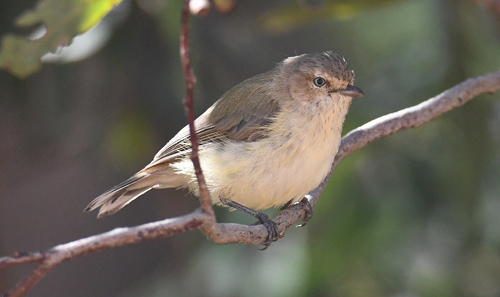
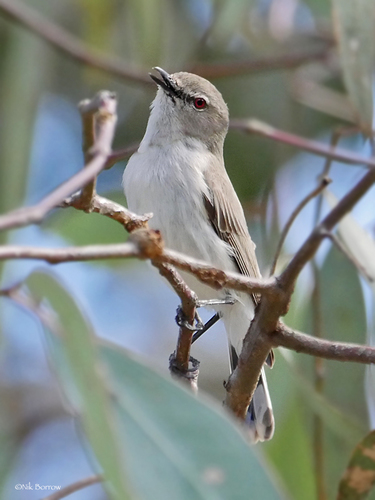
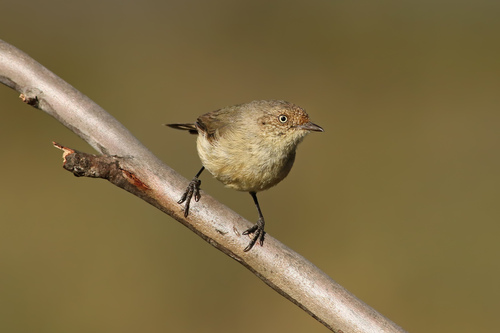
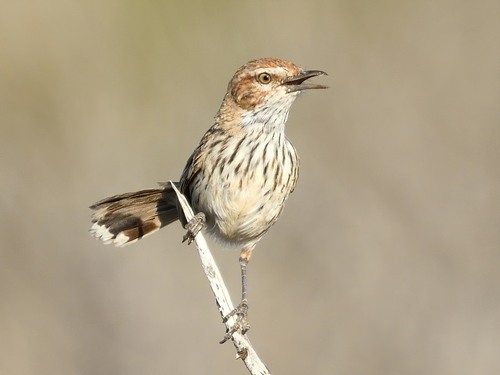
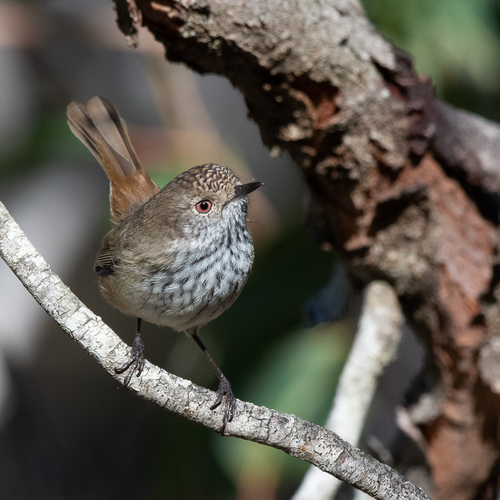
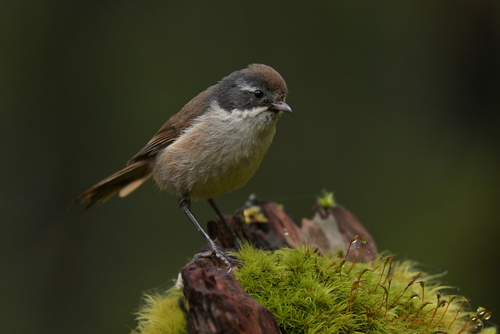
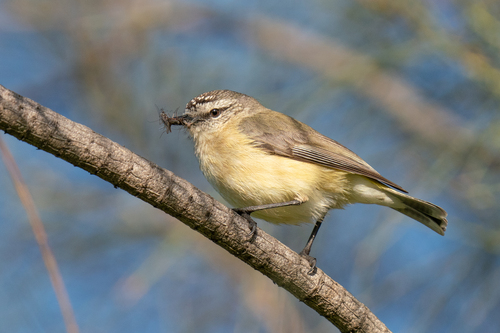
Acanthizidae is a animal family in the Animalia kingdom, order Passeriformes, class Aves. The family contains 37 accepted species worldwide.

Key Identification Features

For instant identification in the field, use the iNature app — AI-powered, works offline.
Representative Acanthizidae Species

How to identify Gerygone levigaster Gould, 1843

Gerygone levigaster Gould, 1843

Gerygone levigaster Gould, 1843

The mangrove gerygone (Gerygone levigaster) is a small mangrove-associated bird …

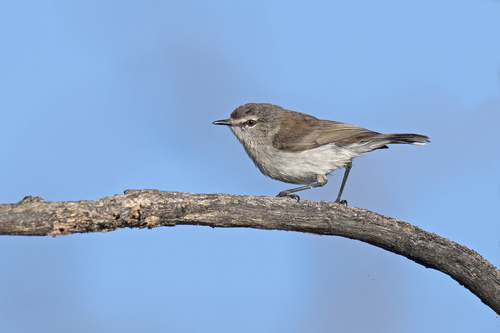
How to identify Smicrornis brevirostris (Gould, 1838)

Smicrornis brevirostris (Gould, 1838)

Smicrornis brevirostris (Gould, 1838)

Smicrornis brevirostris, the weebill, is Australia's smallest bird, widespread a…

How to identify Gerygone fusca (Gould, 1838)

Gerygone fusca (Gould, 1838)

Gerygone fusca (Gould, 1838)

Gerygone fusca, the western gerygone, is an Australian endemic small songbird wi…

How to identify Acanthiza reguloides Vigors & Horsfield, 1827

Acanthiza reguloides Vigors & Horsfield, 1827

Acanthiza reguloides Vigors & Horsfield, 1827

Acanthiza reguloides, the buff-rumped thornbill, is a small passerine bird endem…

How to identify Calamanthus campestris (Gould, 1841)

Calamanthus campestris (Gould, 1841)

Calamanthus campestris (Gould, 1841)

Calamanthus campestris, the rufous fieldwren, is a small terrestrial Australian …

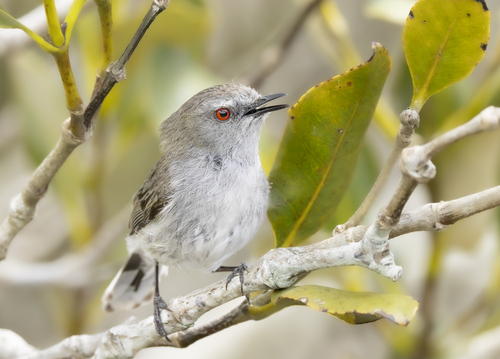
How to identify Gerygone igata (Quoy & Gaimard, 1830)

Gerygone igata (Quoy & Gaimard, 1830)

Gerygone igata (Quoy & Gaimard, 1830)

Gerygone igata, the grey warbler, is a tiny New Zealand bird with distinctive fe…

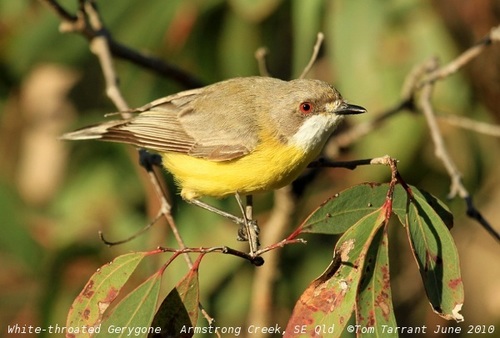
How to identify Gerygone olivacea (Gould, 1838)

Gerygone olivacea (Gould, 1838)

Gerygone olivacea (Gould, 1838)

Gerygone olivacea (white-throated gerygone) is an Acanthizidae bird found in Aus…

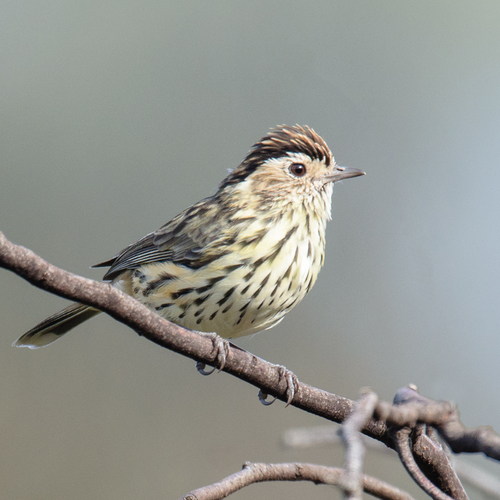
How to identify Pyrrholaemus sagittatus (Latham, 1802)

Pyrrholaemus sagittatus (Latham, 1802)

Pyrrholaemus sagittatus (Latham, 1802)

Pyrrholaemus sagittatus, the speckled warbler, is a small ground-dwelling warble…

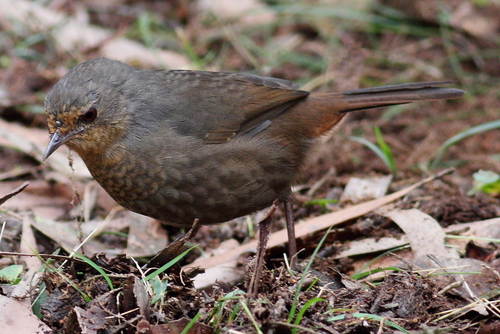
How to identify Pycnoptilus floccosus Gould, 1851

Pycnoptilus floccosus Gould, 1851

Pycnoptilus floccosus Gould, 1851

Pycnoptilus floccosus, the pilotbird, is a common sedentary acanthizid native to…

How to identify Acanthiza apicalis Gould, 1847

Acanthiza apicalis Gould, 1847

Acanthiza apicalis Gould, 1847

The inland thornbill Acanthiza apicalis is a small Australian bird similar to th…

How to identify Finschia novaeseelandiae (Gmelin, 1789)

Finschia novaeseelandiae (Gmelin, 1789)

Finschia novaeseelandiae (Gmelin, 1789)

Finschia novaeseelandiae, the New Zealand brown creeper, is a small passerine bi…

How to identify Acanthiza chrysorrhoa (Quoy & Gaimard, 1830)

Acanthiza chrysorrhoa (Quoy & Gaimard, 1830)

Acanthiza chrysorrhoa (Quoy & Gaimard, 1830)

Yellow-rumped thornbill (Acanthiza chrysorrhoa) is the largest thornbill, found …

Browse all 37 Acanthizidae species →

Frequently Asked Questions

How do you identify Acanthizidae?

Acanthizidae animals belong to the Passeriformes order in the Animalia kingdom. It has a distinct white stripe above the eye. For instant identification, use the iNature app — AI-powered and works offline.

What are the key characteristics of Acanthizidae?

Acanthizidae is classified in the order Passeriformes, class Aves, phylum Chordata. Juvenile weebills have similar plumage to adults, but can be identified by their brighter yellow bill and greyer eye.

Sources: GBIF, iNaturalist, Wikipedia · Disclaimer

Start Exploring Nature Today

Download iNature for free. 10 identifications on us. No account needed. No credit card required.

Download Free on App Store